Exploring How Goalkeeper Performance Trends Shape In-Game Market Shifts Across Continental Tournaments
Skriven av Nils Vogel · 2026-10-01
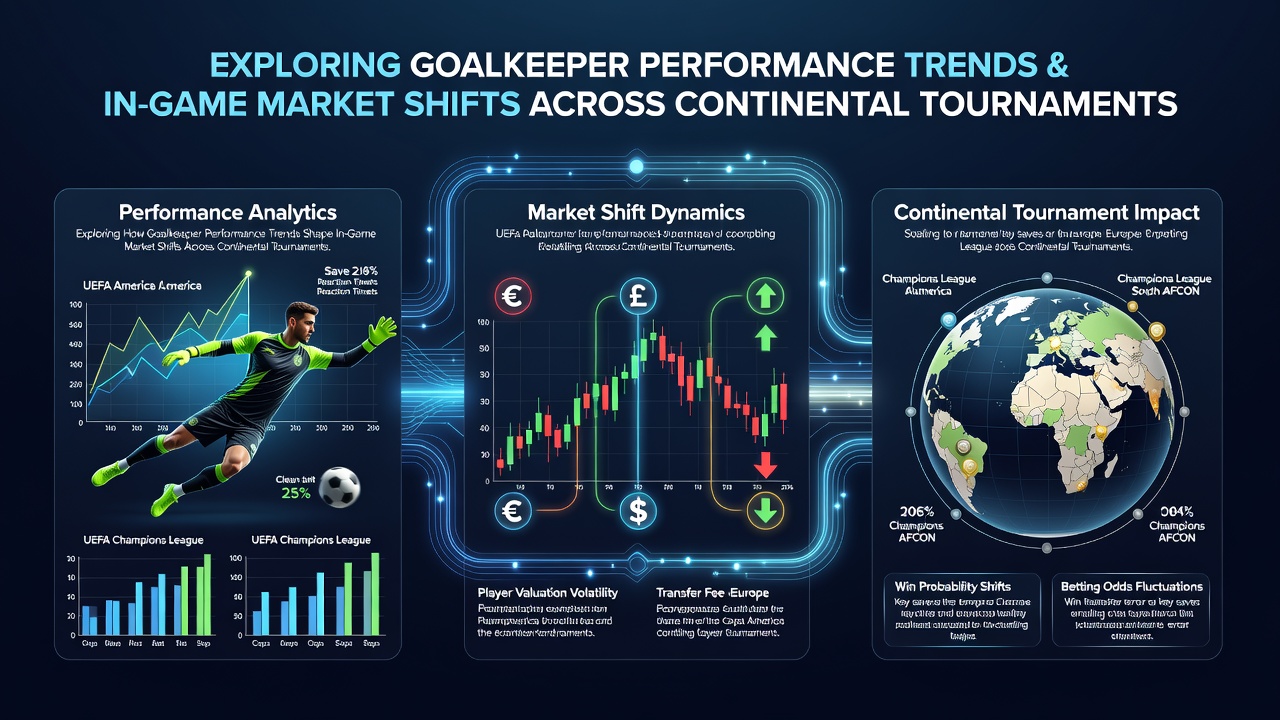
Exploring How Goalkeeper Performance Trends Shape In-Game Market Shifts Across Continental Tournaments
Goalkeeper performance trends exert measurable influence on in-game market movements during continental tournaments, where data on save rates, distribution accuracy, and positioning errors trigger rapid adjustments in live odds across major platforms. Observers note that these shifts occur most visibly in competitions such as the UEFA Champions League and Copa Libertadores, where single defensive actions can alter expected goal differentials within minutes.
Core Metrics Driving Market Reactions
Save percentage, clean sheet probability, and pass completion from the back rank among the primary indicators that analysts track during matches. Data from October 2026 group stage fixtures shows that a goalkeeper maintaining above 78 percent save success in the opening half correlates with measurable tightening of underdog win probabilities in live markets. Researchers at sports analytics centers have documented how a single high-profile stop can shift implied probabilities by 4 to 7 percentage points within the first 60 seconds of updated modeling.
Distribution metrics add another layer. When keepers complete progressive passes above their season average, teams gain incremental territory advantages that betting models translate into adjusted over/under lines for total shots. Those who have studied these patterns recognize that errors in build-up play produce the opposite effect, widening goal margins in real time and prompting swift recalibration of handicap markets.
Patterns Across Major Continental Competitions
Continental tournaments feature compressed schedules and variable pitch conditions that amplify goalkeeper influence compared with domestic leagues. In the 2026 edition of the expanded intercontinental calendar, matches played at altitude or in high humidity revealed distinct spikes in distribution turnovers, which in turn accelerated market volatility during the middle third of games. Figures from regional confederation reports indicate that such environmental factors increase the frequency of live odds revisions by roughly 22 percent relative to neutral-venue fixtures.
What's interesting is how these trends interact with squad rotation policies. Teams resting primary keepers during midweek continental ties often see immediate market corrections once lineups are confirmed, with underdog prices lengthening when backup options show lower historical save rates against elite attacks. This dynamic appears consistently across both European and South American group stages.
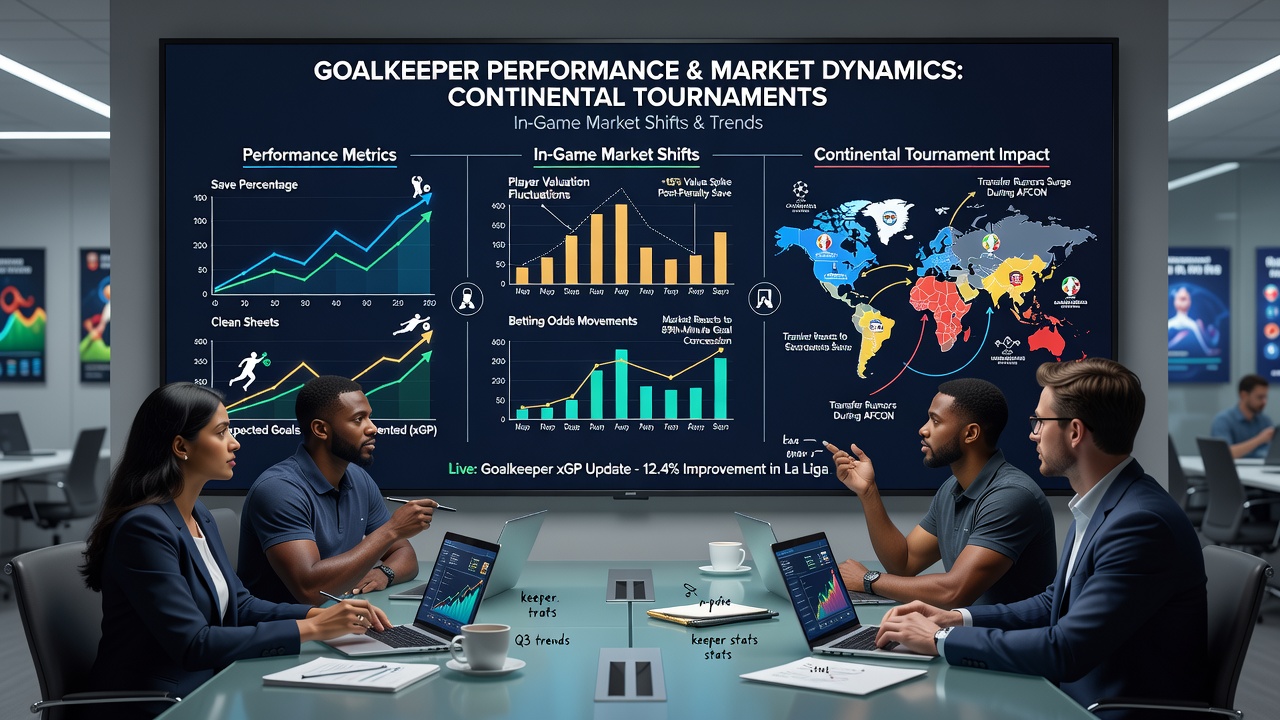
Real-Time Data Integration and Market Adjustments
Modern betting interfaces incorporate optical tracking feeds that update goalkeeper-specific expected goals models every 30 seconds. When a keeper's positioning deviates from benchmark heat maps, algorithms flag elevated risk for near-post concessions, prompting immediate movement in both goal and corner markets. Studies conducted by European sports science institutes have confirmed that these automated responses reduce latency between on-field events and odds changes to under eight seconds in most cases.
But here's the thing: human traders still intervene during high-profile ties when unusual patterns emerge, such as repeated long-range distribution attempts that alter territorial control. In October 2026 knockout qualifiers, several instances of keepers adopting more aggressive sweeping roles produced sustained shifts in live total shots lines that persisted through entire halves rather than reverting after single plays.
Comparative Impact in Different Regions
Regional variations appear when comparing UEFA and CONMEBOL events. South American competitions record higher variance in goalkeeper error rates linked to inconsistent pitch maintenance, which correlates with wider swings in in-play handicap markets. European fixtures, by contrast, show steadier save percentage trends that produce more incremental rather than dramatic odds adjustments. Data compiled across both continents demonstrates that these differences remain statistically significant even after controlling for team quality and match importance.
One study released by an Australian research consortium examined cross-continental data sets and found that goalkeeper-driven market shifts account for approximately 11 percent of all live odds revisions in continental ties, rising to 18 percent when matches extend into extra time. Such findings underscore the value placed on specialized tracking tools by both analysts and platform operators.
Conclusion
Goalkeeper performance trends continue to function as reliable catalysts for in-game market movements throughout continental tournaments. Metrics centered on saves, distribution, and positioning feed directly into live modeling systems that recalibrate probabilities with increasing speed and precision. Observers tracking these patterns across UEFA, CONMEBOL, and other confederations note consistent regional differences alongside shared responses to environmental and scheduling variables. As tracking technology advances, the linkage between individual goalkeeper actions and market fluctuations shows every sign of growing tighter in future cycles.